

Frequently asked questions
Packaging
Most of our bottles are made from a mix of sugar plastic and recycled plastic, are HDPE (#2) and 100% recyclable via your kerbside collection. Our cardboard packaging is also 100% recyclable. The 5L and 5kg bulk containers are made from 50% locally sourced recycled plastic, and the 20L containers are made from standard HDPE plastic. The oversize containers can be returned to us via our Plastic Return Programme. Triggers, pumps and caps are not kerbside recyclable due to their size and often mixed materials, but can be processed in NZ through the Caps and Lids Recycling Scheme. For soft plastic pouches, these can be dropped off at one of the Soft Plastic Recycling collection points. We recommend reusing our packaging for as long as possible with our concentrates and refill options!
During our last Sustainability Reporting period, 95% of all packaging was categorised as kerbside recyclable.
Sugar plastic is a sustainable alternative to petroleum-based plastic and is made from sugarcane, which comes from completely renewable, sustainable sources and is 100% recyclable. The sugarcane we use in our packaging removes carbon from the atmosphere as it grows, which helps reduce your carbon footprint.
Ethical
We proudly became a B Corp in 2021, and were re-audited in 2025, achieving an even higher sustainability score than we had originally. Our renewed B Corp certification demonstrates our ongoing commitment to maintaining the highest possible standards for social corporate responsibility.
We hold a Kosher licence for our entire dishwashing range, which means our ingredients don't contaminate Kosher-certified food and we don't use any animal or dairy ingredients in these products.
None of our plant-based ingredients come from genetically modified crops such as corn or soy. While we’re against GE field trials, we agree with organisations like Greenpeace that there’s a place for the ethical development of GE in laboratories, for producing medicines like insulin, or useful enzymes. The plant-based enzymes used in our auto dish powders, dish tabs and laundry products are a result of genetically engineered micro-organisms.
Ingredients
When formulating our products, we stick to our guiding 'precautionary principle'. It states that if there’s any doubt about an ingredient’s safety, we seek a safer alternative. This principle sits at the heart of our brand and informs everything we do. We assess every ingredient against the Environmental Working Group (EWG) Skin Deep® Cosmetic Database. And we’re one of the only companies that lists what’s in (and not in) every one of our products, so you can make informed decisions about the everyday products you buy for your family and your home.
Our products are not certified as gluten free. The chance of our products triggering an allergic reaction to gluten are low, but cannot be ruled out. Our Manuka Honey & Kelp Soap, Manuka & Oatmeal Soap and Baby Soap may contain gluten. Some of the surfactants in our products can be derived from corn eg: coco-glucoside but it's the fatty acid component (not the protein which is what triggers an allergy). If a sensitivity is severe to any material derived from corn, please avoid our Dish Liquid, Baby Shampoo, and Bubble Bath. As well as the specific products containing gluten mentioned above, any ingredient that ends with GLUCOSIDE will have come from corn.
Yes. Some of our products do contain Benzyl Alcohol which occurs naturally in apricots, snap beans, cocoa, cranberries, mushrooms and honey. It also occurs in some essential oils such as Jasmine and Ylang Ylang. We use it as a preservative to ensure our products are adequately protected from expiring. It's one of the few preservatives allowed in Ecocert certified products. It is a safe, globally approved and effective preservative that we believe is our best option for now and the near future.
Enzymes are naturally occurring and essential to life. Digestive enzymes are secreted by the pancreas into the small intestine: amylase for carbohydrates, starches, sugars; protease for proteins; and lipase for fats and oils. That’s why these enzymes are so very effective at removing food stains. We grow these enzymes from plant-based materials in a lab environment, to use in our laundry and dishwashing formulations. They are a safe and effective alternative to potentially harmful ingredients like bleach, chlorine, phosphates and optical brighteners.
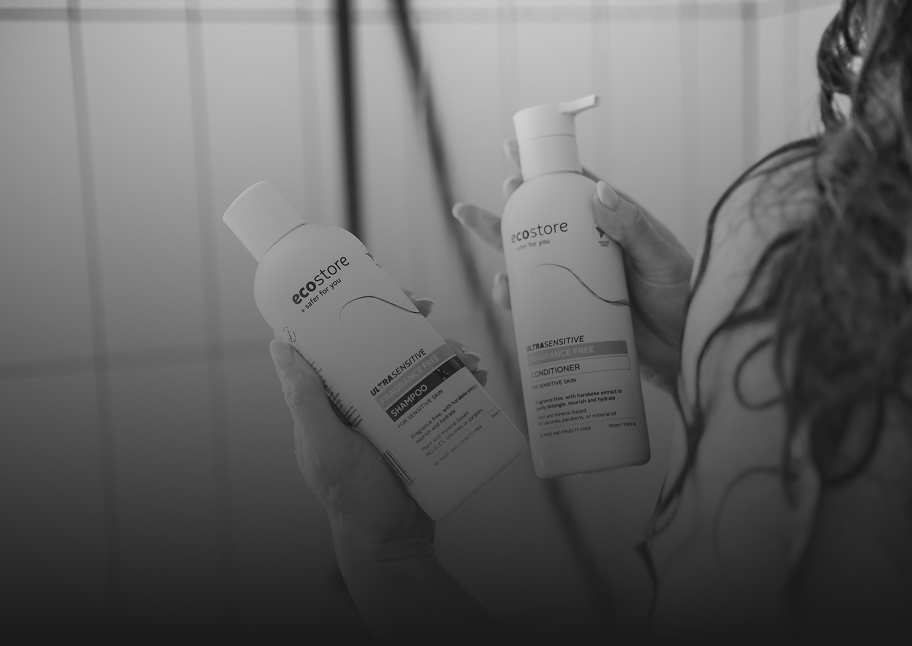
We have always been driven by safety, and this includes minimising the risk of skin reactions. That's why we steer clear of harsh chemicals and synthetic dyes and perfumes, opting for gentle plant and mineral-based ingredients and naturally derived fragrances instead. For people with especially sensitive skin, we make many of our best selling products in a super low irritant, fragrance free version. These are included in our Ultra Sensitive range, which is approved by Sensitive Choice®. Any Ultra Sensitive product that comes into close contact with the skin has also undergone rigorous dermatological testing and carries a Dermatologically Certified badge.
We are committed to using RSPO certified palm oil where possible as it’s a healthier and safer alternative to petrochemicals and requires significantly less land than coconut for an equivalent yield. We are active members of The Roundtable on Sustainable Palm Oil (RSPO), a global non-profit that brings together different groups from across the palm oil supply chain to create and realise global standards for sustainable palm oil. While we believe certified, sustainable palm oil is the best option for now, we also regularly assess alternatives.
Energy & emissions
Our factory and business are proudly Toitū Net Carbon Zero certified. ‘Net carbon zero’ means what we’re putting into the atmosphere is matched or balanced by what we’re taking out or reducing. We do this by: measuring our carbon emissions; finding ways to reduce them; and then ‘offsetting’ the remaining emissions through climate-friendly projects.
Toitū leads the way in accredited carbon certifications, environmental certification, advisory, and CRD (Climate Related Disclosures) assurance, empowering organisations to drive credible climate action aligned with global standards. We have two Toitū accreditations - Net Carbon Zero and Enviromark (Diamond). These are both ongoing programmes which require us to accurately measure and improve our environmental impact.
Over 80% of our energy consumption happens at our factory, so this is where we focus most of our attention. We transitioned our forklift fleet from LPG powered to electric, upgraded to efficient LED lighting and audited our manufacturing equipment to increase energy efficiency. We have also grew our energy from renewables from 52% to 57% during our last Sustainability Reporting period.
Environmental safety
Greywater is water that has been used minimally, usually from bathroom sinks, showers, baths and washing machines. It's possibly to use this water on lawns, flowerbeds and trees (avoiding edible plants) if the products you're using are plant and mineral-based and biodegradable, like ours. It's not advised to use water from toilets, dishwashers or the kitchen sink in your greywater systems as this water is contaminated with food waste bacteria and is called 'blackwater'. That's why you won't see 'greywater safe' on our dishwashing and toilet cleaning products.
Any formulation that's suitable for septic tanks is designed to break down easily in water. All of our products are plant and mineral-based and biodegradable. They are free from harsh chemicals like bleach and ammonia and support, rather than disrupt, the natural microbial processes of a septic tank.
Even after passing through water treatment plants, small quantities of chemical compounds from cleaning and personal care products can end up in our waterways and oceans, creating problems for nature. All our products are plant and mineral-based and biodegradable. They contain no phosphates, chlorine, optical brighteners, SLES or DEA, which makes them water waste friendly and safer for our oceans.
For anyone who's concerned about the health of their family and the environment, it makes sense to choose plant and mineral-based products that are free from harsh chemicals and toxins. For your family, this means less chance of sensitivities, allergies and asthma. For the oceans, it means less potential harm to aquatic life. And for the atmosphere, it means less use of petrochemical ingredients that release carbon, rather than absorbing it like renewable ingredients.


