

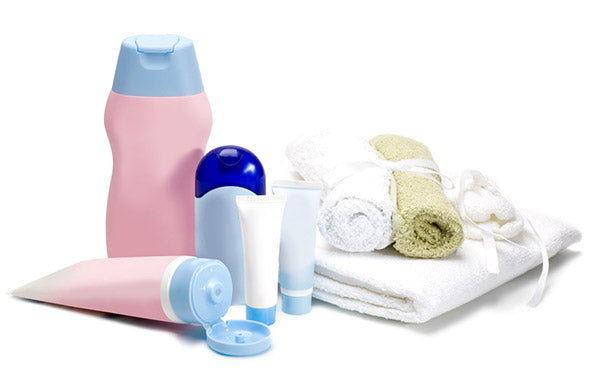
What you should know about propylene glycol
Propylene glycol helps retain moisture and prevent evaporation, so it's used in bodycare products like skin creams and cosmetics to make them soft and less viscous, and to have a conditioning effect on your skin. Manufacturers also use it to carry flavour in food and drink.
It's a chemical that can be found on the ingredient list of other products like shampoos and conditioners, fragrances, bath and shower gel and moisturiser. It's colourless and odourless, and has no taste.
But it's not just found in the products around our homes, it's also added to things like paints, coatings and antifreeze.
We choose not to use propylene glycol in our products even though the US Food and Drug Administration says it's “generally recognised as safe” for use in food and flavouring. That's because we make our products using the precautionary principle, which says we'll find an alternative ingredient if there's doubt about the safety of another.
We looked at the potentially harmful health effects of propylene glycol on the Environmental Working Group website, where product ingredients are independently assessed and categorised. Some effects it lists include an association with skin irritation and allergic contact dermatitis, organ system and immune toxicity, and skin sensitisation at even small concentrations.
Long term exposure to this ingredient has also been linked to asthma and allergic reactions.
To find out more about propylene glycol and other ingredients we choose not to use in our products, check out our ingredients database.
Read more
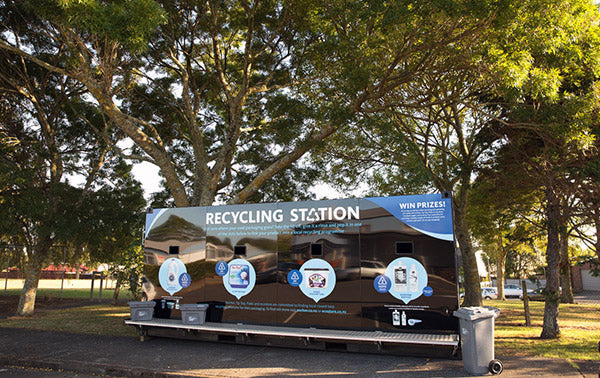
Recycling is a big deal for us at ecostore - we cut down on waste wherever we can and we use a mix of recycled and recyclable materials for our packaging. Last year we introduced Carbon Capture™ P...

Wellness Retreats NZ founder Melissa Carroll has learned plenty during her recovery from chronic fatigue, and that journey has led to a business that arms others for a healthier lifestyle. She shar...


