

Cleaning up bathroom toxins with Dr Leila Masson
Bathrooms are one place it's easy to spend a lot of time, and where we and our family can also be exposed to lots of chemicals, because of the vast number of products available to clean your shower, basins, loo, as well as your skin and hair.
Dr Leila Masson is a paediatrician specialising in allergies, asthma, autism spectrum disorders and ADHD and also addresses avoiding exposure to toxins in our environment. We think this issue needs to be on every parent's radar so we were keen to share her research and experience.
What are some of the toxins we need to be aware of in our bathrooms?
Below are a number of chemicals Leila recommends avoiding in our bathrooms. We also have a database of nasty chemicals we believe are best avoided throughout your home here.
Found in soap, shampoo and bubble bath: SLES - (Sodium Laureth Sulphate)
This can damage your immune system, cause skin irritation and inflammation, and can be transformed into cancerogenic nitrosamines, 1,4 dioxane: a carcinogen in animals but probably in humans.
Found in lotions and creams: parabens
These can cause endocrine disruption; mimic oestrogens, can cause developmental toxicity, immunotoxicicty, allergies and have been linked with breast cancer.
Found in many synthetic fragrances and some plastics: phthalates
These are potential hormone disruptors and anti-androgens, and have been associated with obesity.
Found in cleaning products: corrosives and chlorine
Can irritate skin and lungs.
Found in toothpaste: sodium laureth sulphate (SLES)
Can irritate skin and lungs.
Found in deodorants: propylene glycol
Can break down cellular structure and is associated with brain, liver and kidney abnormalities.
Synthetic fragrance
These can be made up of hundreds of different undisclosed chemicals. Potentially carcinogenic
Found in antiseptic soaps: tricolosan, triclocarban
This may cause skin irritation, endocrine disruption (lower levels of thyroid hormone and testosterone; oestrogen mimikcing and increased risk of breast cancer). Other issues are bacterial resistance, a negative impact on fragile aquatic ecosystems and a possible increased risk of hayfever and food allergies.
Found in water: chlorine
Can irritate lungs and cause asthma
Read more

Life is sublime when cherries are in season, especially after Christmas when they come down in price. This cake is based on my upside down feijoa cake, which quickly became famous when I shared it ...
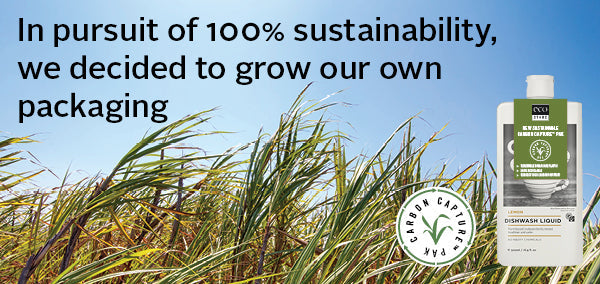
Climate change is one of the big issues facing our planet today. But new packaging from ecostore helps people play their part in tackling this global challenge at a local level. Last September eco...


